

Another day, another wildfire, drought, heatwave...
…You get the picture. It’s impossible to look away from, and nearly impossible to get anything done when all you can think about is the state of our planet. We know the feeling, which is why we’ve partnered with Climate Psychology Alliance to help us better understand, and cope with, climate anxiety.
We asked Helen Pitman, child and adolescent therapist and CPA board member, all about it. When you understand anxiety better, you deal with it better, so grab a cuppa and a biscuit or two (or three or four) and settle down. Your brain deserves this.
What is climate anxiety?
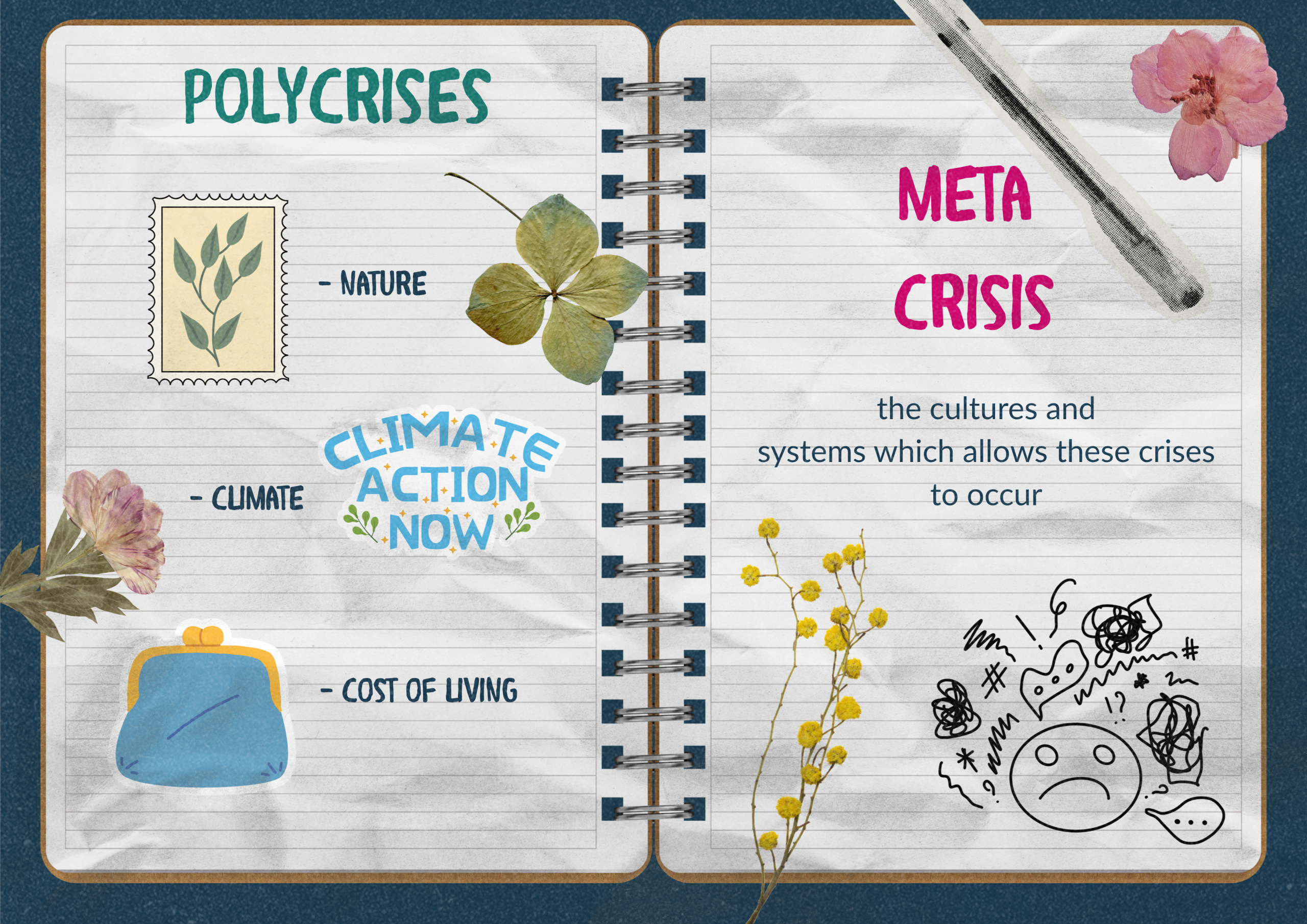
Helen: Firstly, it is important to acknowledge that climate anxiety and climate distress is a healthy emotional response to the poly/meta crisis that we find ourselves living within (polycrisis means many crises colliding together, such as climate breakdown, bio-diversity loss, cost of living crisis, and food insecurity. Metacrisis is naming that the operating system of extreme individuality and exceptionalism that drives our current systems is the problem). Our response, through our feelings, is our nervous system telling us that we need to take action. We care deeply and something just doesn’t feel right about the planetary and biodiversity threats which we are all witnessing globally.
It is important to name that the threat level of climate and biodiversity loss also varies depending on where you live globally and your level of protection. We also know that young people are going to experience the impacts of climate breakdown more acutely. This matters because it needs to be acknowledged by the older generations as an issue of injustice. Young people need their feelings deeply witnessed and validated, so that young people’s feelings make sense to themselves. This validation supports the development of emotional resilience; we can bear a lot when we do it together.
It is also important to realise that climate anxiety can come in many different forms – from feeling distress transiently to being unable to function and nowhere in the world feeling safe. It needs to be taken seriously and acknowledged.
This anxiety and distress can become heightened when the very real problem of climate breakdown is not acknowledged both within wider society; through the media, politicians or institutions not seeming to ‘get it’, and also within close relationships. Family and friends may dismiss their very real feelings of distress with comments like:
“It’s normal to have variations in the weather.”
“This weather is great.”
Or try to fix and minimise their experience:
“You don’t need to worry about that.”
“Don’t worry, your generation will fix it all.”
This can feel like a deep betrayal of the individual and leave them in an emotionally difficult place. It can create a felt experience of living within two worlds, and a need to mask or keep big feelings inside as it can feel unsafe to share them. This is hard work because our nervous systems are wired for connection. We need each other to experience emotional regulation through our shared understanding. There can be a very real felt sense of cognitive dissonance and a huge and overwhelming sense of aloneness, which only adds to the individuals feelings of distress.
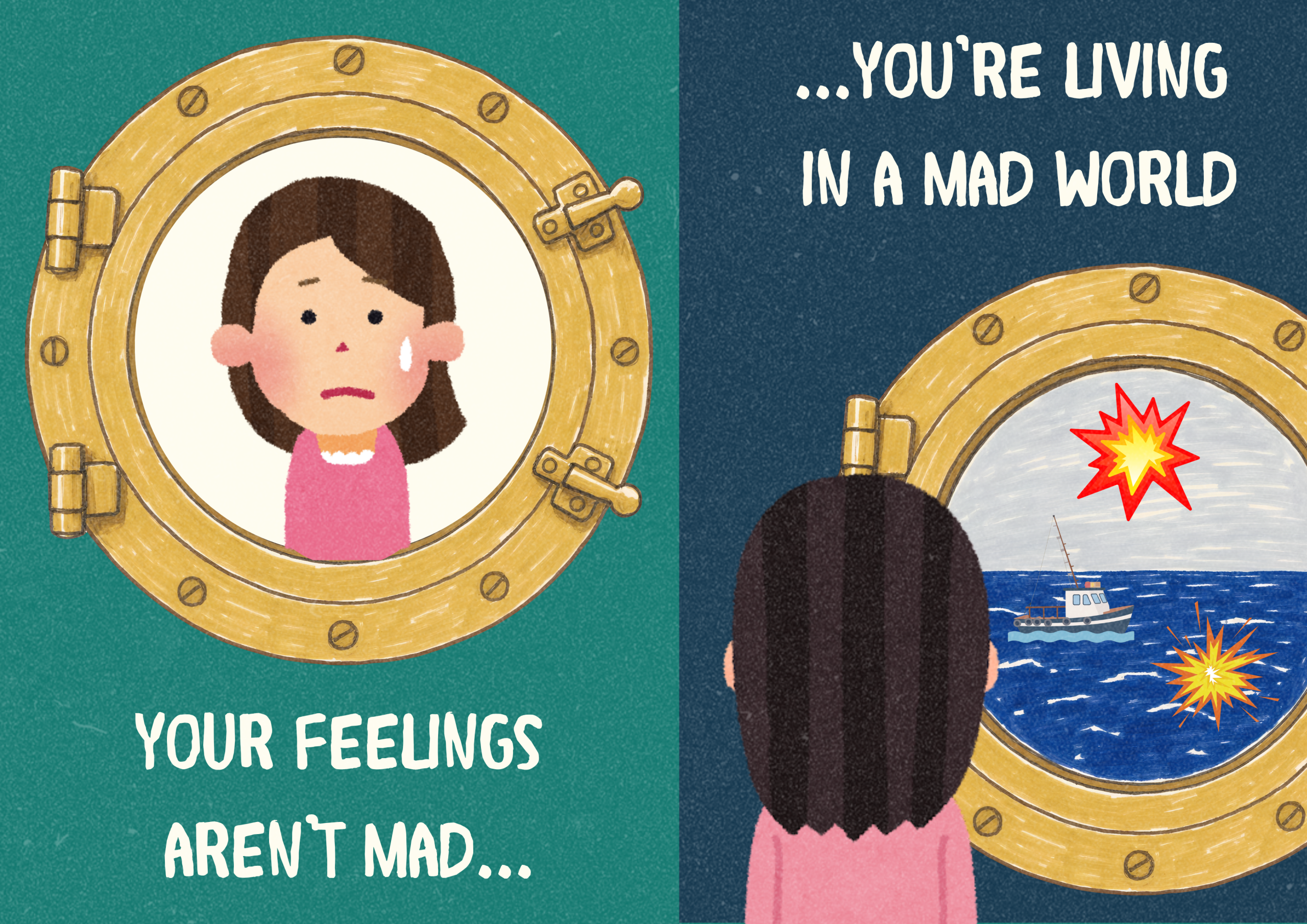
Your feelings are not mad; we are living in a mad world.
What does it say about me as a person if I experience climate anxiety?
It says that you care deeply about our planet and the biodiversity that lives on it. It shows that you recognise the interdependence of living systems which we need to continue to thrive on this planet. This is a wonderful quality that is needed more within our world. It also means that you want things to change and for there to be care and sensitivity put at the centre of policy making. So that it is recognised that there is something important that is being missed that is of intrinsic value, the joy of a robin singing, the beauty of sunlight falling through tree leaves.
It is actually the capacity to not care and to be able to deny or disavow what is happening that continues to cause damage and harm to this planet. We are all living within systems of uncare at times and this can create huge double binds.
Your care matters.
Your sensitivity matters.
I often feel pretty alone in my climate anxiety, which can make the experience seem even more isolating. Is it as rare as it seems?
No, there is evidence that there is a silent majority of people impacted by climate breakdown that we find ourselves living within. The Climate Majority Project commissioned a report which shows there are six silent majorities (made up of scientists, concerned citizens and businesses who are all feeling the impacts of climate change, but stay silent because they feel isolated in their concern). In total, these groups make up around 89% of the global population who want national governments to do more to tackle climate breakdown. If we can find ways to come together this could bring about a strong sense of solidarity and possibility for action.
The Common Cause Foundation found that, in 88 out of 89 countries, citizens believe internal, human (intrinsic) values are more important than outer, material (extrinsic) values. Spending time with family and friends, doing what makes us happy and fulfilled, and learning new things for curiosity’s sake are all things we value… just because they matter to us. Extrinsic values are means to an end, prized for the money or social status they bring. Polls show that as early as 2001, citizens of almost all countries (and all rich countries) agree that a less materialistic outlook would be helpful.
You are not alone in your views but finding ways to talk about it can be challenging. Many people experience feeling as if they are bringing the mood down when they speak about their distress. This silencing of ourselves means we can feel very alone.
Are there any particular triggers which can cause us to feel climate anxiety?
This can vary but many people experience heightened climate anxiety and distress during heatwaves, floods or extreme weather events. Or, counterintuitively, they may feel better during extreme weather events as it is reported more in the media and people are talking about it. What triggers your distress may be something that you get to know about yourself. The most important thing is having spaces where you can share how you feel and for you to know that you are not alone, many, many people are worried about this.
Finding a space where you can share your feelings like a climate café listening circle or the youth support spaces within the Climate Psychology Alliance can be important steps for you to realise that you aren’t alone and other people care too. There is also support out there at the Climate Psychology Alliance for three, free 1:1 therapy sessions with a climate-aware therapist.
Okay, it’s Team Another Way again.
What incredible advice and insight Helen at Climate Psychology Alliance. A reminder that you can check out their resources here, and if you‘re feeling the need for community and people who feel the same way as you (there are a lot of them, we promise!).
You can also join our Power of 10 community – where you can chat to fellow young changemakers about your climate concerns, swap advice on running eco campaigns, share plant-based recipes, and download our resources for action and education.
